


 |  |  |  |  |  |




| Alaska, The Great Land Into the Wild - My great Alaskan Railroad Adventure |


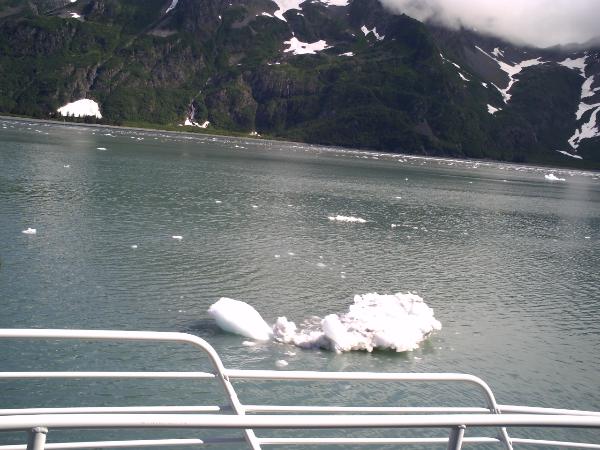
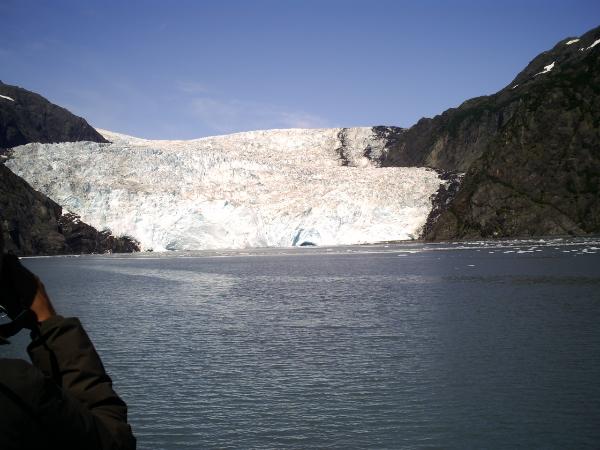
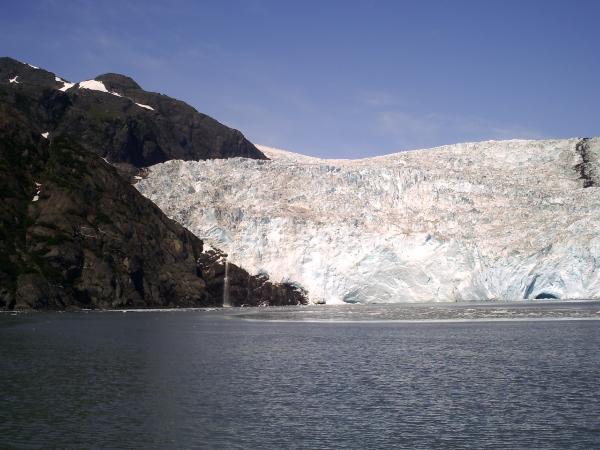
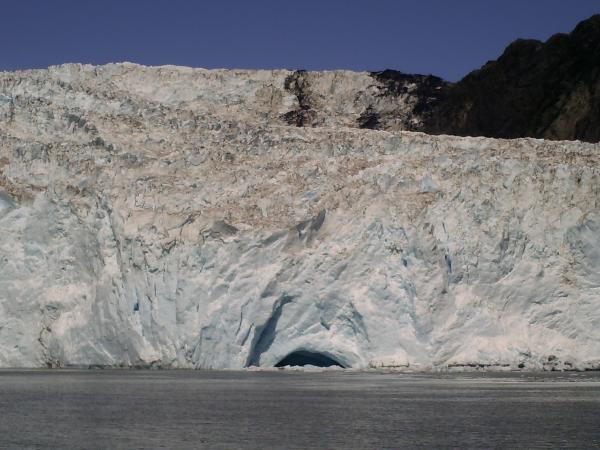
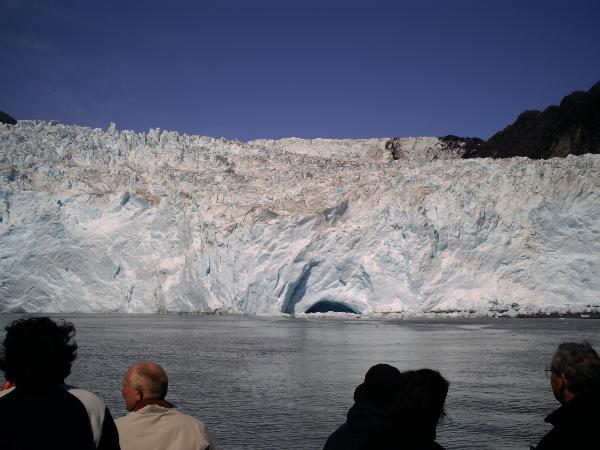
| As we approach Holgate Glacier we run into large chunks of ancient ice that have broken free and float out into the ocean. We frequently hear chunks of ice bombard the hull of the vessel. The captain assures us that there's nothing to worry about as he nimbly steers around the larger pieces. The Orca Voyager is sturdy, she can take a pounding. |
Holgate Glacier is an active tidewater glacier as it reaches the sea pieces
break off, or calve, and form icebergs. Thankfully all the icebergs we saw
were fairly small, the largest maybe the size of a 1960's Buick. - As we
sailed closer I watched a small piece break off and splash into the ocean.
break off, or calve, and form icebergs. Thankfully all the icebergs we saw
were fairly small, the largest maybe the size of a 1960's Buick. - As we
sailed closer I watched a small piece break off and splash into the ocean.
I hoped that while fiming this video of Holgate Glacier that a large piece
would cleave off and make a big splash. But alas, it was not to be.
would cleave off and make a big splash. But alas, it was not to be.
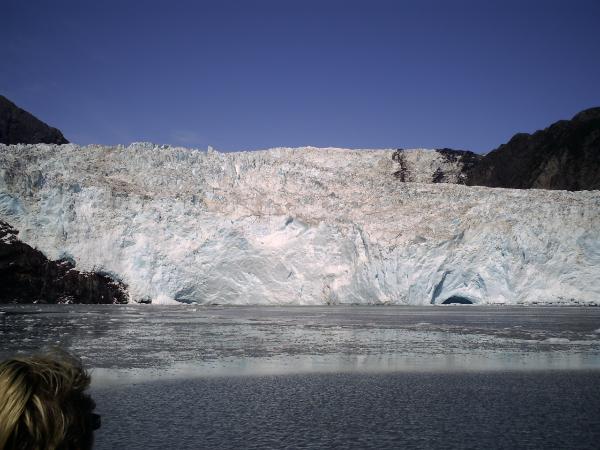
It’s hard to convey the enormity of the glacier that’s 4000 feet thick. Pictures just don't do it justice. We couldn't get too close. Holgate is a VERY active
glacier, pieces are constantly breaking off, and the captain couldn't risk a large chunk calving and damaging the boat or injuring her passengers. We often
hear a loud eerie crack from within the ancient ice. By the time you hear it break it's too late to get a picture of it falling into the sea.
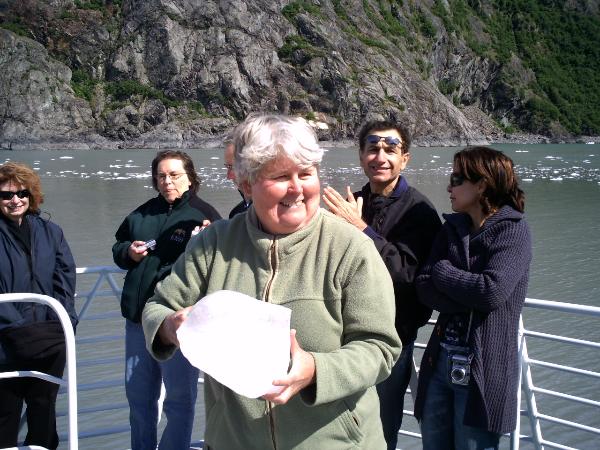
Below one of my fellow voyagers holds a piece of 10,000 year old ice that had broken off the glacier - the crew had fished it out of the water. Have you
every touched a 10,000 year old ice cube? It's cold. The 'cave' you see in the ice is caused by the water that flows beneath the glacier. The immense
pressure created by the weight of all the ice that piles up over a mile deep causes the melting point of the water to lower to below 32 degrees. The glacier
literally floats on a river of water. These rivers carve out channels in the glacier as the liquid makes it's way to the ocean creating these caverns.
glacier, pieces are constantly breaking off, and the captain couldn't risk a large chunk calving and damaging the boat or injuring her passengers. We often
hear a loud eerie crack from within the ancient ice. By the time you hear it break it's too late to get a picture of it falling into the sea.
Below one of my fellow voyagers holds a piece of 10,000 year old ice that had broken off the glacier - the crew had fished it out of the water. Have you
every touched a 10,000 year old ice cube? It's cold. The 'cave' you see in the ice is caused by the water that flows beneath the glacier. The immense
pressure created by the weight of all the ice that piles up over a mile deep causes the melting point of the water to lower to below 32 degrees. The glacier
literally floats on a river of water. These rivers carve out channels in the glacier as the liquid makes it's way to the ocean creating these caverns.
Page 8 of 20